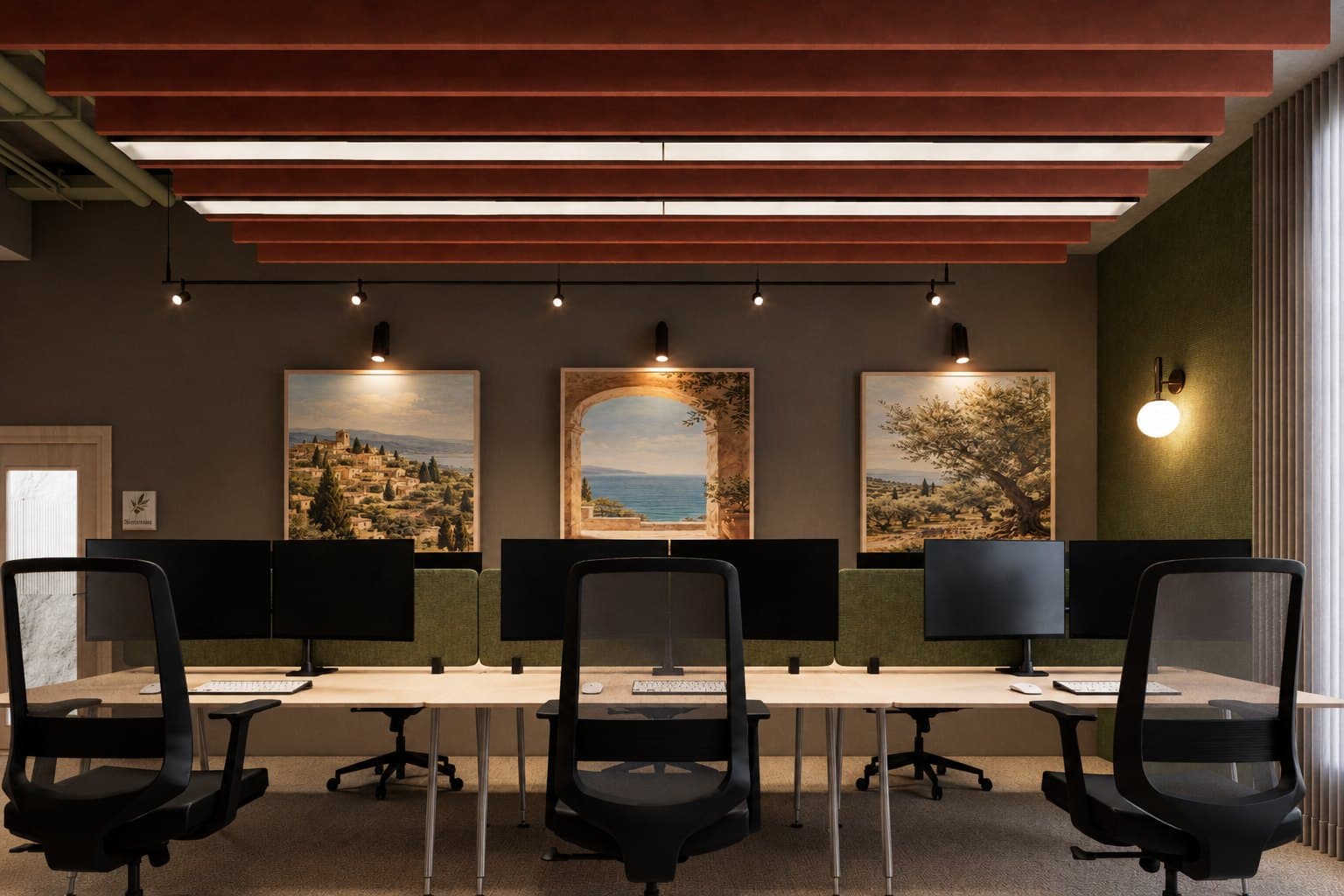
Bridge House is a modern building.
I'll say that up front, because Manchester is full of places that like to borrow a bit of history they don't quite own. Our building isn't a Victorian warehouse.
The history is next door, in the water. And it's a good one.
Where two canals met
In 1798, the Ashton Canal reached the basin on Ducie Street. It ran out towards the mill towns to the east.
In 1800, a short link at Ducie Street joined it to the Rochdale Canal. That connection mattered. It linked the city to the mill towns and, across the Pennines, to Yorkshire.
For a city that was busy turning itself into the workshop of the world, that was a big deal. Goods could come in and go out by water, and Piccadilly Basin sat right at the join.
The wharves
The wharves around the basin handled the heavy stuff:
- coal
- limestone
- stone
- sand
- timber
Great warehouses grew up around them to store and move it all. If you'd stood on Ducie Street two centuries ago, it would have been loud, crowded and probably not very pleasant to stand on.
It was, though, a place where people came to trade.
The railway arrives
By the 1860s, the railways were taking the canals' trade.
In 1867, the Manchester, Sheffield and Lincolnshire Railway built four cotton warehouses here, filling in part of the old canal basin to do it. It's hard to think of a clearer sign of rail winning out over water.
One of those warehouses survives, just along Ducie Street. It's the seven-storey, Grade II listed London Warehouse, now the Native aparthotel. Walk past it on your way from the station and you're looking at the last of the four.
Decline and restoration
The canals declined through the twentieth century.
They were later restored. Today the towpath runs right past Bridge House, and the water is far more likely to carry a narrowboat on a weekend than a load of limestone.
A new kind of trade
The street didn't stay quiet.
In the late 1980s and early 1990s, Ducie Street found a new kind of trade, with 808 State and Simply Red working from Ducie House. Not coal and timber, admittedly, but still very much Manchester's business.
From water to rail to everything else
It's worth pausing on how quickly things changed here.
In a single lifetime, the basin went from a new piece of canal engineering to a hub of wharves and warehouses, and then to a place the railway was filling in to build on. The people who dug the Ashton Canal would hardly have recognised the street by 1867.
Manchester has always been good at that: building something, making it work, then building over it when a better idea comes along.
Why the history matters to us
You could reasonably ask why a company letting office suites cares about canal boats and cotton bales.
Partly it's just a good story, and Manchester is a city that likes knowing where it came from.
But it's also a reminder of what this spot has always been for. The basin was built so that goods, and the people trading them, could meet in one place. The wharves worked because everything that needed to come together did come together, right here.
That's not a bad description of what we're trying to do at The Groves. Our goods are drawings, valuations, legal advice and finance rather than limestone and timber. The principle is the same: put the people who need each other in the same place, and business follows.
Finding the basin
If you're coming from Manchester Piccadilly station, it's a short walk. Head for Ducie Street. The London Warehouse is on the same street, and the basin and the towpath sit beside Bridge House.
It's worth a wander along the water if you have a spare ten minutes before a meeting. It's one of the calmer corners of the city centre, and a reminder that underneath all the new building, the old canal network is still there.
Piccadilly Basin now
Today the basin is a canal-side quarter of converted warehouses, new homes and workspaces, between the Northern Quarter and Ancoats and a short walk from Manchester Piccadilly station.
It's also where we're building The Groves: 13 office suites for professional firms that introduce work to each other, with a coffee and wine bar, meeting rooms and an event space for up to 50.
I like the continuity of that. The basin has always been a place where people came to do business with each other. We're just changing the goods.
There's a shorter version of this history on the building page, and more on the area today on our location page.
FAQs
When was Piccadilly Basin built? The Ashton Canal reached the basin in 1798, and a link at Ducie Street joined it to the Rochdale Canal in 1800.
What is the London Warehouse? It's the one surviving warehouse of four built here in 1867 by the Manchester, Sheffield and Lincolnshire Railway. It's Grade II listed and is now the Native aparthotel.
Is Bridge House a historic building? No. Bridge House is a modern building. The heritage belongs to the canal basin and wharves beside it.
If you'd like to see the basin and the building for yourself, book a tour. I'll happily bore you with the canal bits on the way round.
Marcus